
People Are the Project — How Community Co-Benefits Make Carbon Credits Real
A carbon credit that is not accountable to the community it comes from is not a credible carbon credit. Here is how iRise Carbon builds that accountability in — and why it matters for every buyer.
A carbon credit that is not accountable to the community it comes from is not a credible carbon credit. Here is how iRise Carbon builds that accountability in — and why it matters for every buyer.
On Monday we introduced the SDG 1 case for iRise Carbon's community model — four mechanisms through which carbon finance can deliver real anti-poverty outcomes in Malawi. Today we go one level deeper: what does it actually look like when community co-benefits are not an add-on but a design principle?
The difference matters. A programme that mentions community benefits in its marketing but does not structure them into its operations, consent processes, and verification framework is a programme where those benefits will erode as commercial pressure increases. A programme where community outcomes are embedded in the design — where they cannot be removed without dismantling the whole structure — is a different kind of programme entirely.
iRise Carbon is the second kind.
“Community co-benefits are not a side effect of our carbon work. They are the design. If a project does not benefit the community it comes from, it does not run.”
Consent is not a form — it is a relationship
Free, Prior and Informed Consent — FPIC — is the internationally recognised standard for community engagement in projects that affect community land, resources, or livelihoods. In too many carbon programmes, FPIC is a document signed before the project starts and never revisited.
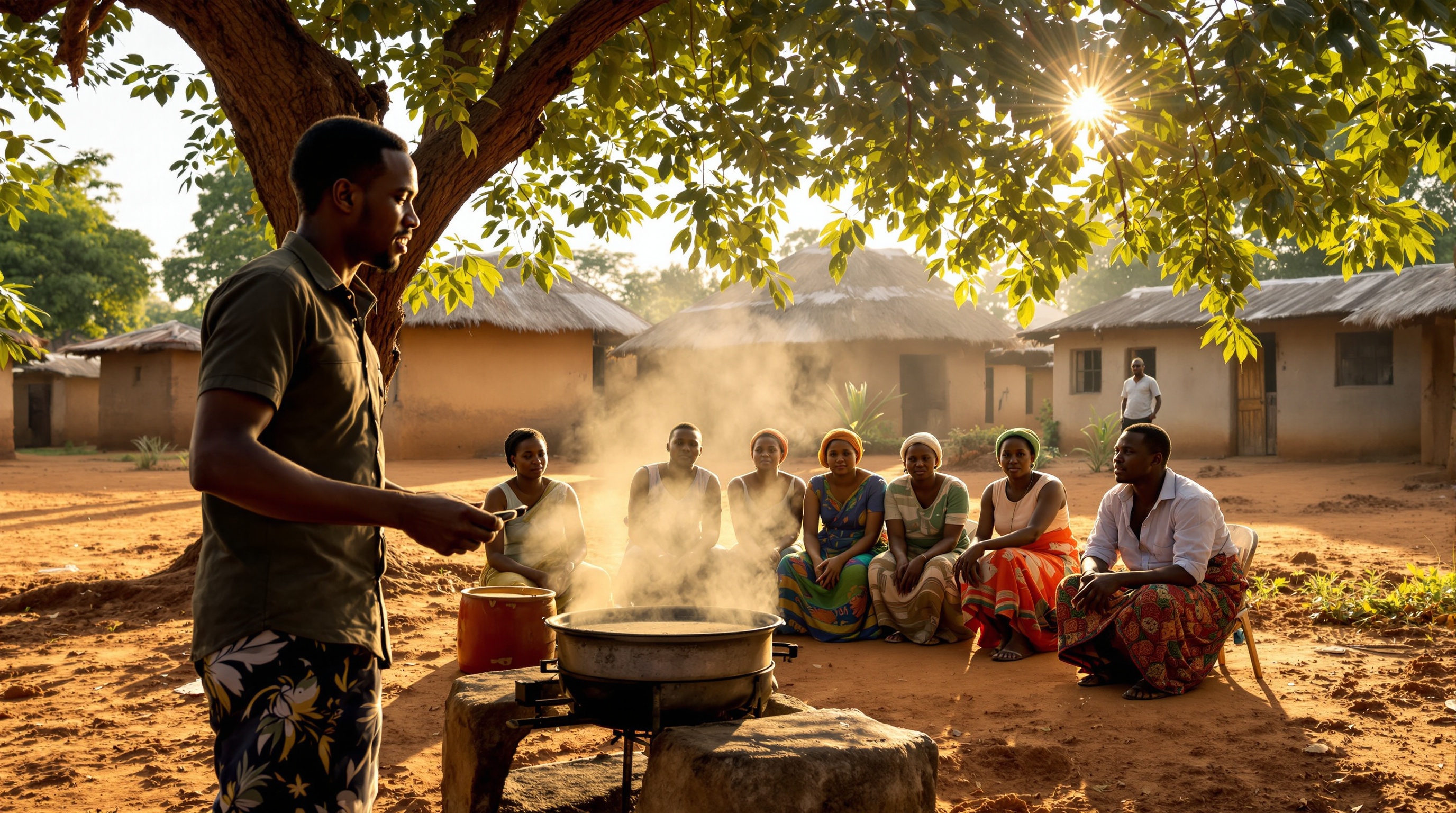
At iRise Carbon, FPIC is the beginning of an ongoing relationship. Before any cookstove distribution begins in a community, we conduct sensitisation sessions — genuine consultations that include time for questions, objections, and negotiation. Communities are told exactly what the programme involves, what they will receive, what the carbon credit mechanism means, and what rights they retain.
Critically, communities are told — in clear, accessible terms — that by using the cookstove and not claiming the carbon credit themselves, they are enabling iRise Carbon to sell that credit and use the revenue to bring more stoves to more communities. The consent is informed because the trade-off is explained.
What community roles actually look like
In every iRise Carbon distribution area, the distribution team is drawn primarily from the local community. Cookstove Distribution Assistants know the area, speak the language, and have relationships of trust with the households they visit.
This is not just good ethics. It is good programme design. A field officer from outside the community is a less effective programme — less trusted, less likely to receive honest feedback, and less connected to the households whose genuine engagement is required for the programme to work.
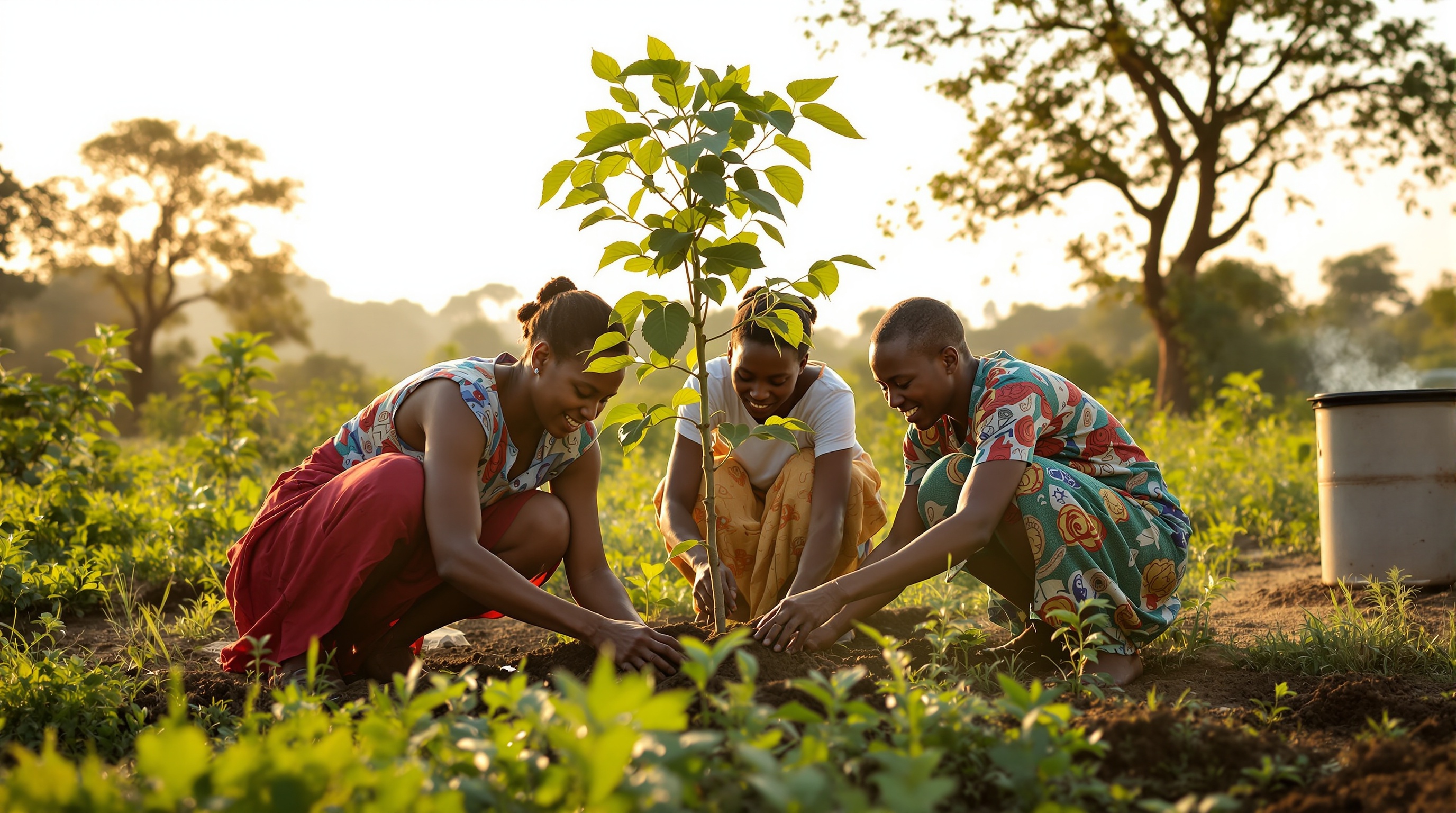
Community roles also extend to project guardianship in the reforestation programme, where community stewards monitor planting areas, report incursions, and maintain the protection agreements essential for long-term permanence.
The transparency standard
iRise Carbon documents community co-benefits as part of its MRV framework. Employment created, revenue shared, households reached, and consent processes followed are not just described in narrative reporting — they are documented in the same auditable system as the carbon data.
Any buyer who asks for the community outcome data behind their specific credit batch can receive it. The number of local employees. The communities covered. The consent documentation. The revenue distribution records.
Transparency is the mechanism by which community accountability becomes real. If you cannot show the data, the commitment is not real.
“Transparency is not a communications strategy. It is the mechanism by which community accountability becomes real. If you cannot show the data, the commitment is not real.”
On Friday
On Friday we introduce Leslie Waliko — iRise Carbon's District Clean Cooking Officer for Balaka District — who leads the community engagement and distribution work that makes all of this real on the ground. In his own words.
www.irisecarbon.com · Carbon with Integrity
iRise Carbon
Published 6 May 2026
Week 6 · All Three Articles
Explore the full week's content
 Monday
SDG 1: No Poverty — Carbon Finance as the World's Most Direct Anti-Poverty Tool
ReadWednesdayYou're herePeople Are the Project — How Community Co-Benefits Make Carbon Credits Real
 Friday
Meet Leslie Waliko — District Clean Cooking Officer, iRise Carbon
ReadMore Stories
All News
The Buyer Who Chooses iRise — What Serious Buyers Ask, and Every Answer We Can Prove
Reporting You Can Stand Behind — What Full Transparency Actually Looks Like