The Buyer Who Chooses iRise — What Serious Buyers Ask, and Every Answer We Can Prove
The voluntary carbon market has a credibility problem. The buyers who choose iRise Carbon are the ones who have decided to solve it.
The voluntary carbon market is full of choices. Credits are available at a wide range of price points, from a wide range of developers, with a wide range of documentation behind them. For a sustainability team under pressure to hit net zero targets at minimum cost, the path of least resistance is clear: buy the cheapest credit with the right certificate number and move on.
Some buyers take that path. They buy carbon volume, not carbon quality. They file the certificate and include the number in the annual report.
iRise Carbon's buyers are a different kind of organisation. They are the ones who started asking questions that most of the market cannot answer — and kept asking until they found a developer who could.
“The buyer who chooses iRise Carbon is not buying a cheaper offset. They are buying an outcome they can defend.”
The questions serious buyers ask
Over the course of multiple buyer conversations, a consistent set of questions emerges from organisations that take their sustainability commitments seriously. Here are the seven most common — and iRise Carbon's answer to each.
1. Where exactly are my credits from?
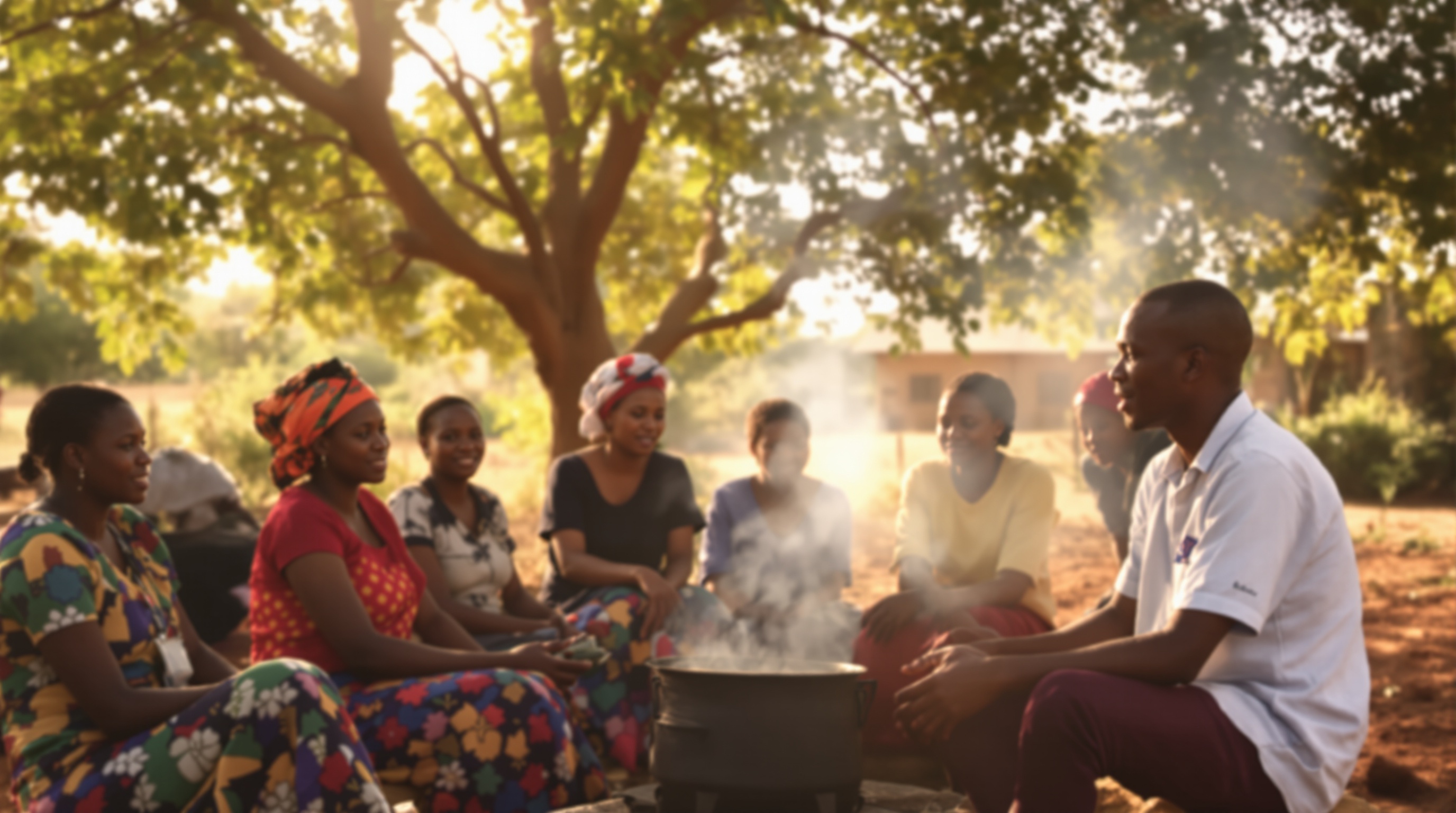
iRise Carbon answer: Malawi, Sub-Saharan Africa. Specifically, from clean cookstove distributions across Kasungu, Mchinji, and other districts, and from land restoration at Mpasadzi Forest. GPS coordinates are available for every household distribution and every project site.
2. Can you show me the household data behind my batch?
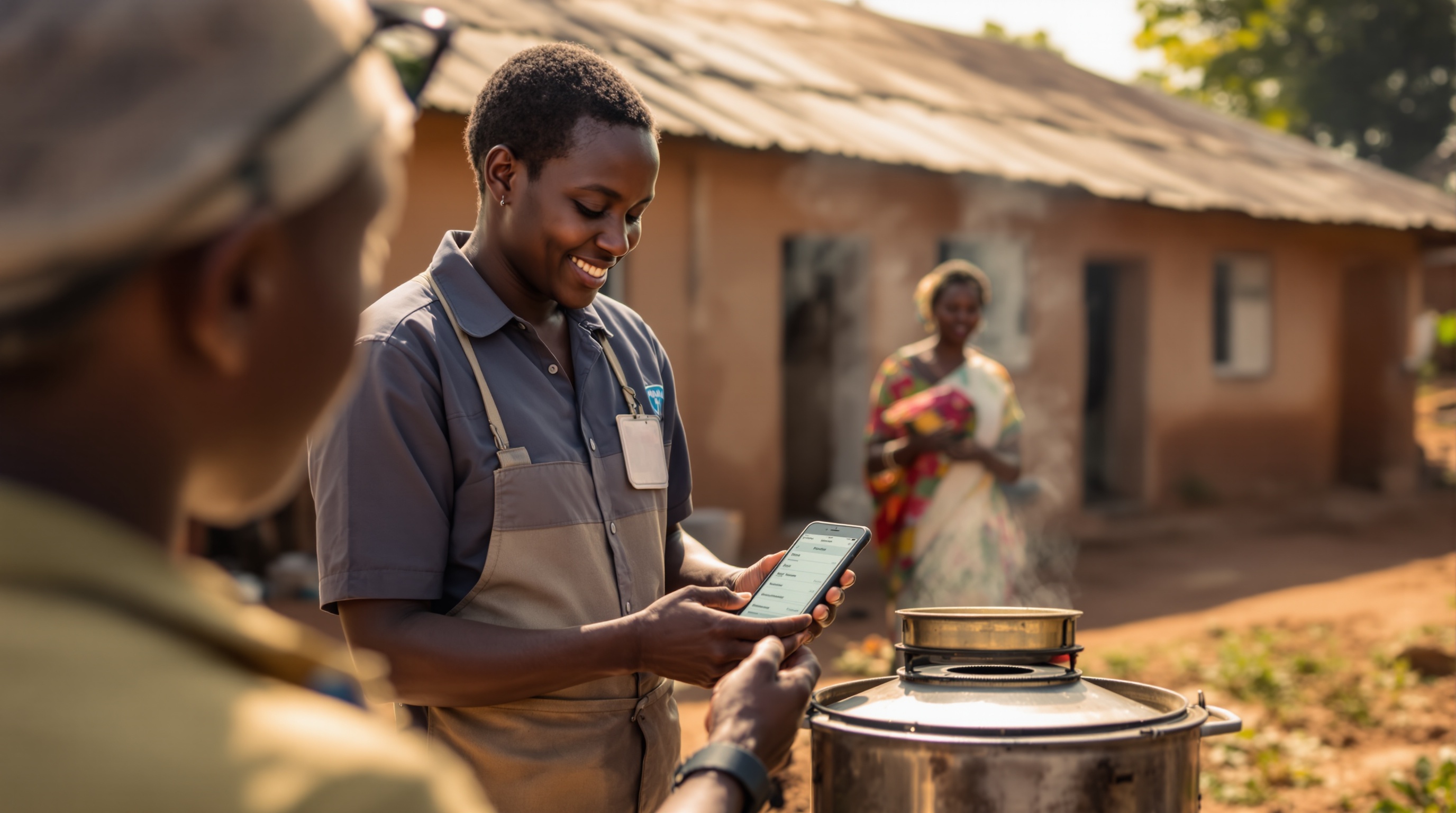
iRise Carbon answer: Yes. Every cookstove distribution is recorded in iVerify — GPS coordinates, geotagged photograph, beneficiary details, date and time. Buyers can request the complete household dataset for their specific credit vintage.
3. What is your crediting methodology — and is it conservative or optimistic?
iRise Carbon answer: Gold Standard TPDDTEC methodology. Our crediting rate of 1.92 tCO₂e per stove per year is calculated from actual fuel displacement measurements in Malawian households — not regional estimates or theoretical maximums. It is conservative by design.
4. Are your credits CORSIA eligible?
iRise Carbon answer: Yes. Our credits are CORSIA eligible under Gold Standard Programme of Activities certification — the highest tier of aviation sector offset eligibility.
5. Do you have sovereign government endorsement?
iRise Carbon answer: Yes. iRise Carbon holds an Article 6 Letter of Approval from the Government of Malawi — the first issued in the country. This is sovereign recognition of our programme's contribution to Malawi's nationally determined contribution under the Paris Agreement.
6. What SDGs can I report against with your credits?
iRise Carbon answer: Multiple, with documented evidence. Cookstove credits support SDG 3 (health), SDG 7 (energy), SDG 1 (poverty), and SDG 13 (climate). Land restoration credits additionally support SDG 6 (water), SDG 15 (land), and SDG 2 (food security). All co-benefits are documented in our MRV reports.
7. What happens if your additionality case is challenged?
iRise Carbon answer: Our additionality case is independently verified by accredited third-party auditors before every credit issuance. The documentation is publicly available through the Gold Standard registry. We welcome scrutiny — it is the mechanism by which the integrity of carbon markets is maintained.
“Any credit developer who cannot answer these seven questions should not be selling carbon credits to serious buyers. Any buyer who is not asking them is not making a serious commitment.”
What kind of organisation chooses iRise Carbon?
Typically, it is one or more of the following: an organisation with public net zero commitments it cannot afford to have questioned; a sustainability team that reports to a board with genuine ESG oversight; a company in a regulated sector where carbon credit quality is becoming a compliance question; or an organisation whose buyers and investors are beginning to ask the same questions the sustainability team is already asking internally.
In every case, what draws them to iRise Carbon is the same thing: the ability to answer the questions. Not with reassurance — with data.
On Friday, we introduce Noel Phuka Chinyama — iRise Carbon's District Clean Cooking Officer for Mchinji — one of the field team members whose daily work creates the data that makes all of these answers possible.
www.irisecarbon.com · Measured. Transparent. Community-driven.
iRise Carbon
Published 20 May 2026
Week 8 · All Three Articles
Explore the full week's content
 Monday
SDG 3: Good Health and Well-Being — The Climate Credit That Saves Lives
ReadWednesdayYou're hereThe Buyer Who Chooses iRise — What Serious Buyers Ask, and Every Answer We Can Prove
 Friday
Meet Noel Phuka Chinyama — The Doctor of the Earth
ReadMore Stories
All News
Africa: The Opportunity and the Obligation — Why iRise Carbon Exists
Reporting You Can Stand Behind — What Full Transparency Actually Looks Like