SDG 1: No Poverty — Carbon Finance as the World's Most Direct Anti-Poverty Tool
Carbon markets were not designed with SDG 1 in mind. At their best, they can deliver it.
Carbon markets were not designed with SDG 1 in mind. At their best, they can deliver it. Here is how iRise Carbon does.
SDG 1 — No Poverty — calls for an end to poverty in all its forms, everywhere. It is the first goal because it is foundational to every other one. Without economic security, communities cannot access healthcare, education, clean energy, or the institutional protections that make all other SDG targets achievable.
The communities where iRise Carbon operates in Malawi sit at the sharp intersection of two crises. They are among the most economically vulnerable in the world — with the lowest incomes, the least access to formal employment, and minimal financial infrastructure. They are also the communities most exposed to climate impacts they did the least to create: the droughts, floods, and erratic rainfall that are already disrupting agriculture, water access, and the fragile livelihoods that depend on both.
Carbon finance, done correctly, is one of the few mechanisms that can address both dimensions simultaneously. The problem is that most carbon finance is not done correctly.
“A carbon credit that funds a developer elsewhere and leaves nothing in the community it was drawn from is not solving SDG 1. It is extracting from it.”
Four mechanisms — one programme design
iRise Carbon's approach to community economics is not an add-on. It is built into the design of every programme from the start. There are four specific mechanisms through which our work delivers directly against SDG 1 targets.
1. Local employment at every project site
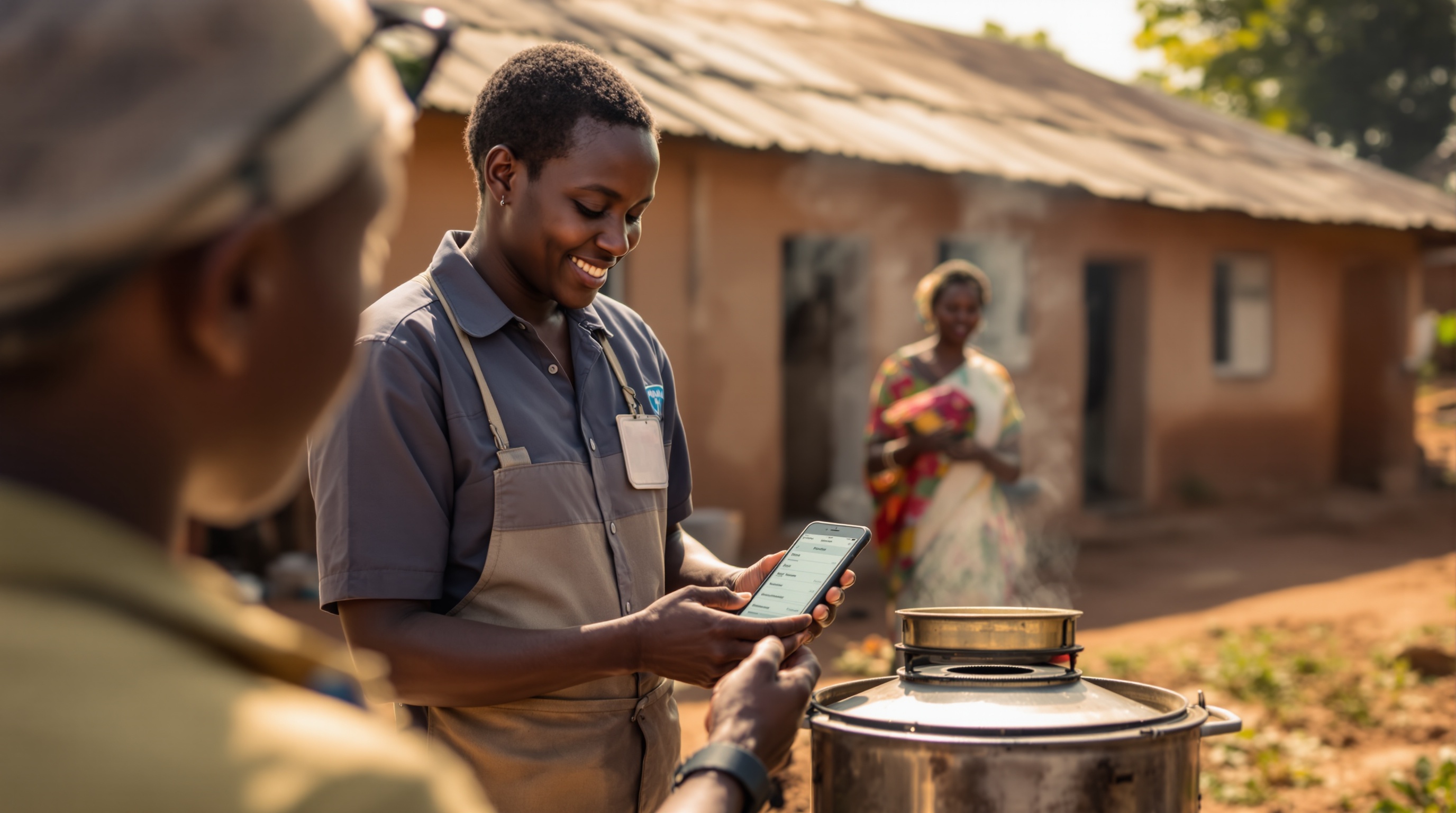
Every iRise Carbon project creates formal employment in the communities where it operates. Cookstove distribution and verification requires field officers, distribution assistants, household registrars, and community engagement coordinators — all roles filled by local people, paid formal wages, and trained in data collection, verification, and community communication.
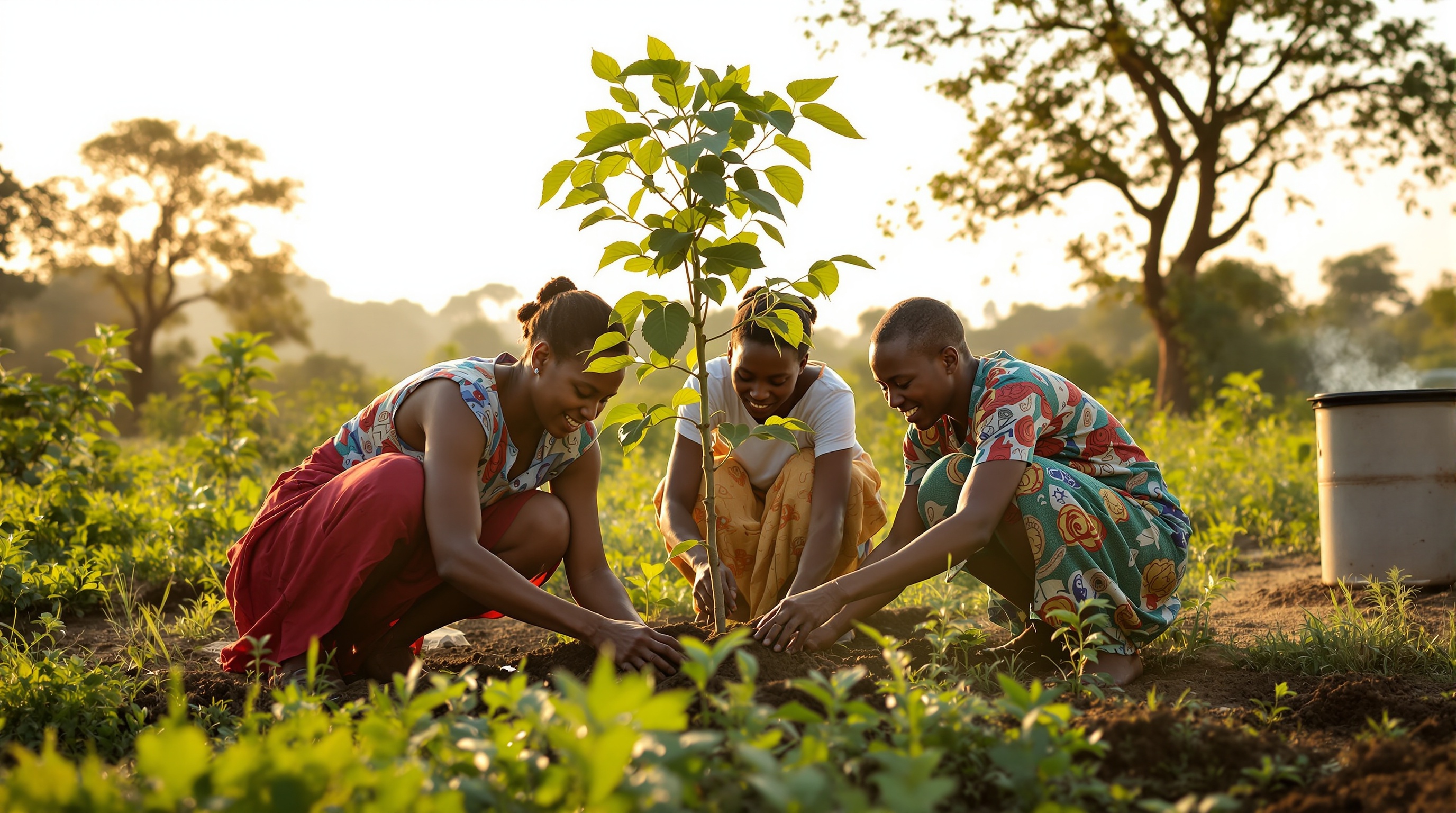
Our reforestation programme employs community members as project guardians, nursery workers, planting teams, and monitoring assistants. These are not casual labour positions. They are structured employment with defined responsibilities, regular pay, and transferable skills — in communities where formal employment is rare.
2. Fuel savings that put money back in households
The clean cookstove programme reduces household fuel consumption by up to 60 percent. For the families who receive our stoves, this is not an environmental statistic. It is a meaningful and ongoing increase in disposable household income — money previously spent on charcoal or firewood that now stays in the household economy.
At scale — across 2 million stoves — this represents a substantial and continuous economic transfer to some of the world's poorest households, generated by the carbon credit mechanism and delivered directly at household level.
3. Revenue sharing back to communities
iRise Carbon's programme model includes formal revenue sharing mechanisms. A portion of every carbon credit sale flows back to the communities involved in the project, supporting local infrastructure, health and education resources, and the community stewardship agreements that are a condition of our programme operation.
This is not discretionary philanthropy. It is a structured feature of the programme design, documented in our agreements with community partners, and verified as part of our Gold Standard certification process.
4. Financial inclusion through formal income records
For many community members, employment in an iRise Carbon programme represents their first formal income. In Malawi's predominantly informal economy, formal income documentation is one of the primary barriers to accessing financial services. The employment records generated through our programmes create documented income histories that can open doors to bank accounts, savings, and credit — a contribution to the financial inclusion dimension of SDG 1 that goes beyond the programme itself.
“Carbon finance can be one of the most powerful tools for community poverty reduction in history. It requires integrity to work — and integrity means the money actually reaches the people the credit was drawn from.”
What this means for buyers
When a corporate buyer purchases an iRise Carbon credit, they are not just offsetting emissions. They are funding formal employment, household fuel savings, community infrastructure, and financial inclusion in one of the world's most economically vulnerable regions.
That is a multi-SDG return on a single procurement decision — provided the credit is real, verified, and backed by the community relationships that make it legitimate.
On Wednesday, our Integrity Series article explains how those community relationships work — and why genuine community consent is the foundation that makes all of this possible.
www.irisecarbon.com · Carbon with Integrity
iRise Carbon
Published 4 May 2026
Week 6 · All Three Articles
Explore the full week's content
MondayYou're hereSDG 1: No Poverty — Carbon Finance as the World's Most Direct Anti-Poverty Tool
 Wednesday
People Are the Project — How Community Co-Benefits Make Carbon Credits Real
Read Friday
Meet Leslie Waliko — District Clean Cooking Officer, iRise Carbon
Read