SDG 8: Decent Work and Economic Growth — Carbon Finance as Africa's Job Creation Engine
Over 85% of employment in sub-Saharan Africa is informal. Every iRise Carbon project creates formal jobs, documented skills, and lasting economic multipliers in the communities that need them most.
SDG 8 — Decent Work and Economic Growth — calls for sustained, inclusive economic growth, full and productive employment, and decent work for all. In Malawi, as across most of sub-Saharan Africa, formal employment is the exception rather than the rule. The overwhelming majority of working adults are engaged in subsistence agriculture, informal trade, or casual labour — without contracts, wage security, skills records, or the protections that formal work provides.
iRise Carbon's project model is a direct and deliberate response to this reality. Every project site is designed not just to generate carbon credits, but to create formal economic activity in the communities where it operates.
The person at iRise Carbon most directly responsible for ensuring that formal employment commitment is honoured is Gibby Musukwa, our HR & Payroll Manager. This week's Friday profile introduces Gibby — the person who makes sure that SDG 8 is not just a reporting framework for iRise Carbon, but an operating standard. Today, the case for why that standard matters.
“Carbon finance can be one of the most powerful job creation engines Africa has seen in this decade. The question is whether it is designed to keep value in the communities it draws from.”
Four mechanisms for SDG 8 delivery
1. Formal employment at every project site
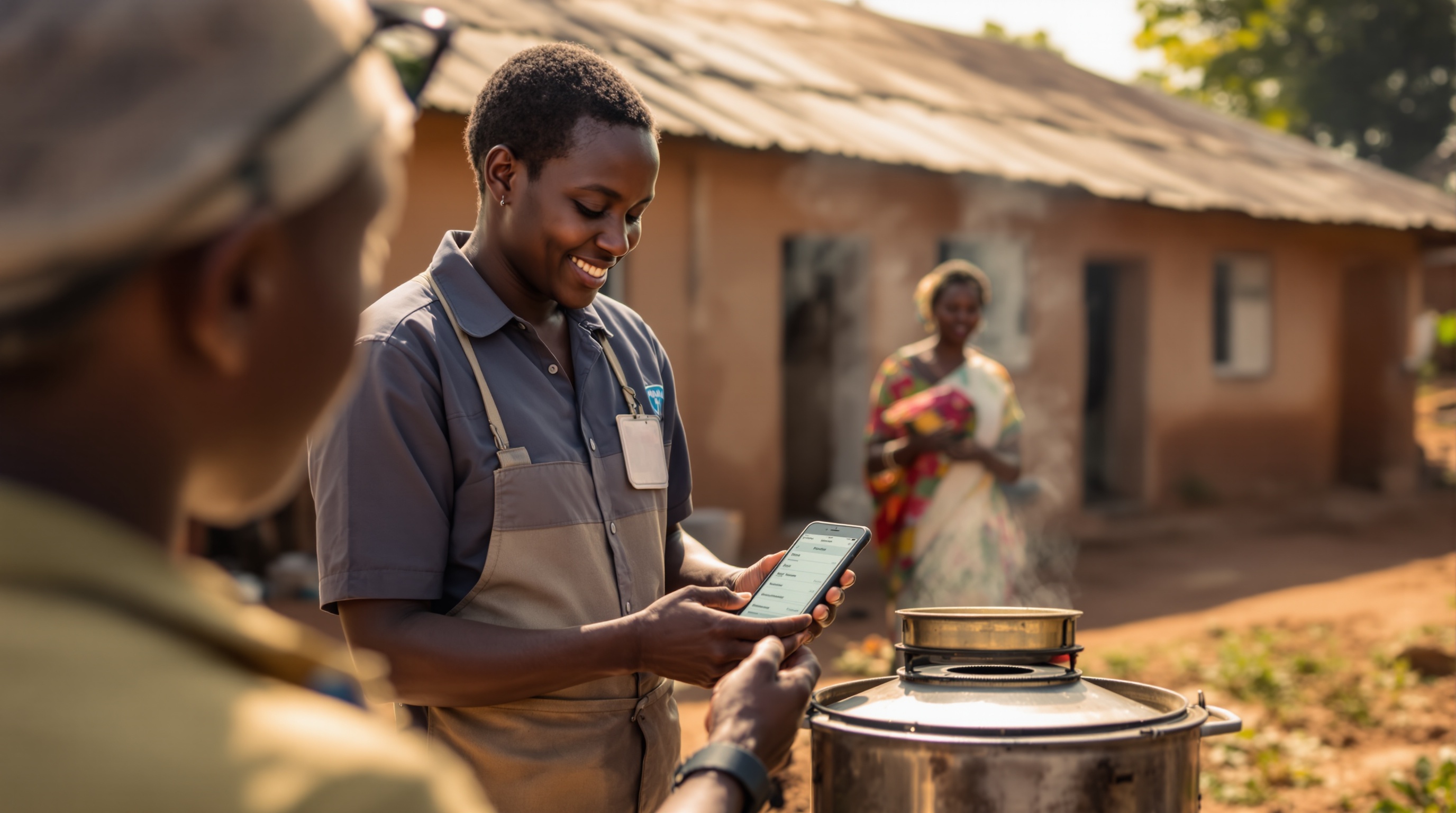
Every iRise Carbon project creates formal employment for community members: field verification officers, distribution assistants, planting teams, nursery workers, community stewards, and monitoring assistants — all employed under structured agreements with defined roles, regular wages, and employment documentation.
For many of these individuals, this is their first formal employment record. In Malawi's predominantly informal economy, formal documentation is the primary barrier to accessing financial services. The employment records generated through iRise Carbon projects create income histories that can open bank accounts, savings facilities, and credit — a contribution to financial inclusion that extends beyond the project itself.
2. Technical skills development that outlasts the project
Project roles at iRise Carbon require GPS device operation, field data collection and validation, ecological monitoring, digital record-keeping, and community engagement protocols — transferable skills applicable in other development programmes, conservation projects, and government survey work. The skills development that iRise Carbon projects deliver is a durable economic contribution to the communities involved.
3. Supply chain employment through distribution networks
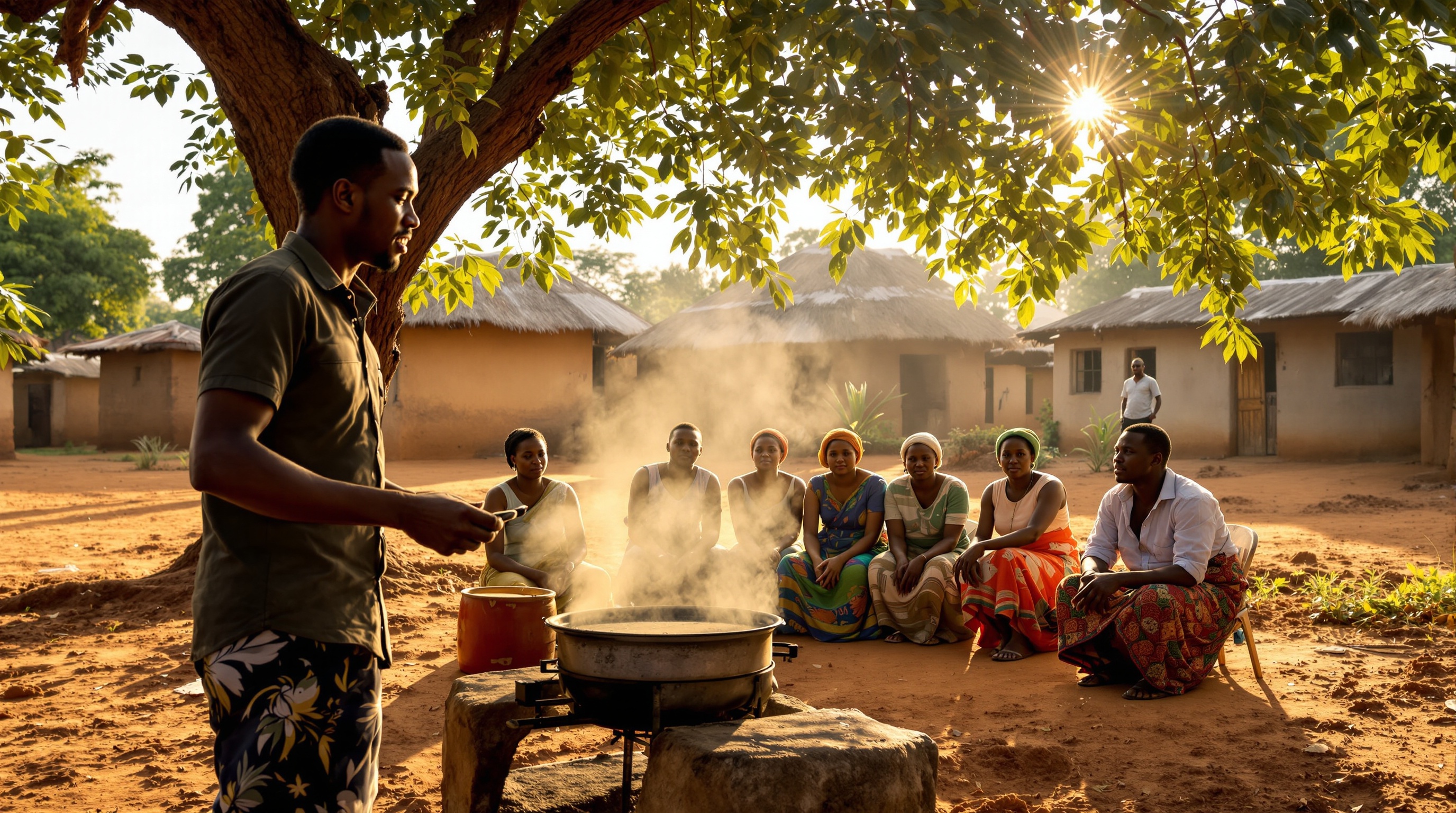
The cookstove distribution network creates economic activity across a supply chain that extends well beyond direct project employment. Local transport operators, community liaisons, small retailers, and maintenance service providers all generate income. In rural and peri-urban markets where economic activity is scarce, this supply chain effect is substantial.
4. Economic multiplier effects in local economies
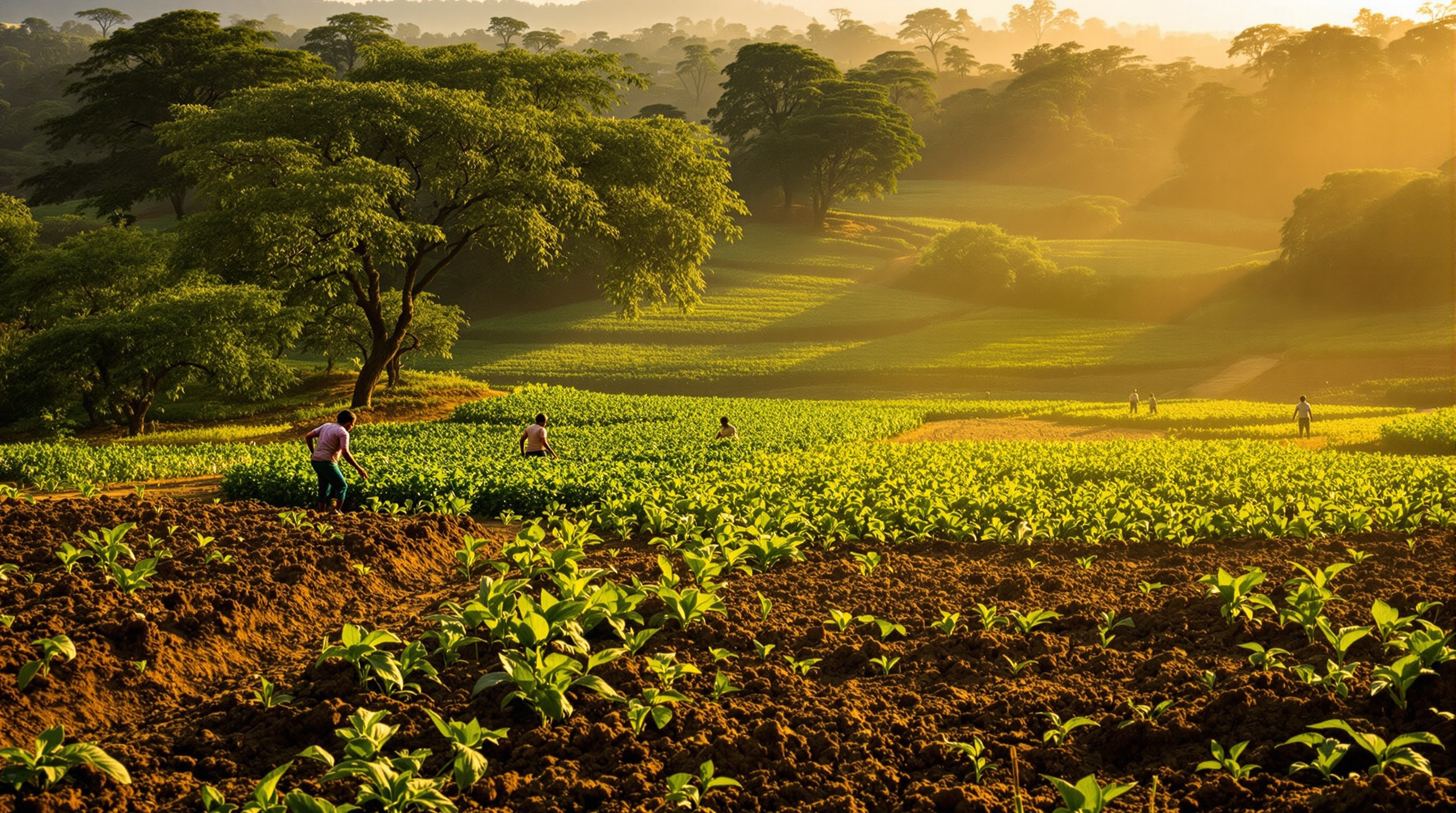
Carbon revenue that enters local economies through wages, community payments, and revenue sharing circulates into local shops, transport, healthcare, school fees, and agricultural inputs. The multiplier effect of formal carbon finance income in rural Malawi is significantly higher than the same income in a developed economy, precisely because so little formal income flows through other channels.
“SDG 8 is not an aspirational goal for carbon projects. It is a measurable outcome of every project designed to keep economic value in the communities it comes from.”
What iRise Carbon documents
iRise Carbon documents SDG 8 outcomes in its MRV framework: employment created, wages paid, skills training delivered, supply chain economic activity generated. These are available to credit buyers for multi-SDG sustainability reporting.
On Wednesday, we broaden the frame: why Africa is both the greatest opportunity in global carbon markets, and the continent the market has the greatest obligation to serve with integrity. On Friday, Gibby Musukwa — our HR & Payroll Manager — explains what building the people infrastructure worthy of that mission actually requires.
www.irisecarbon.com · Carbon with Integrity
iRise Carbon
Published 25 May 2026
Week 9 · All Three Articles
Explore the full week's content
MondayYou're hereSDG 8: Decent Work and Economic Growth — Carbon Finance as Africa's Job Creation Engine
 Wednesday
Africa: The Opportunity and the Obligation — Why iRise Carbon Exists
Read Friday
Meet Gibby Musukwa — The Engine Room of iRise Carbon
Read